
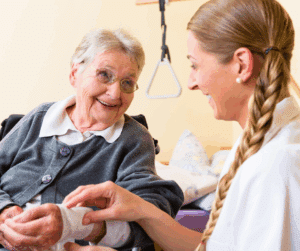
The growing preference for aging at home has shifted many healthcare responsibilities from clinical settings to family caregivers and professional home care providers, who are taking on greater responsibility for day-to-day health management. For older adults, even minor injuries can pose serious risks if not managed properly. Therefore, it is crucial for caregivers to understand how wounds heal and how to respond appropriately in case of injuries.
Why Seniors Are More Vulnerable to Wounds
Aging skin undergoes structural changes that reduce elasticity and resilience. As collagen production slows, skin becomes thinner and more fragile, making it easier to tear or bruise. Circulatory changes also play a role. Reduced blood flow can slow healing, increasing the risk of infection. For seniors with diabetes or vascular disease, wounds on the feet or lower legs can become particularly dangerous if they are not identified and managed early.
As caregiving responsibilities expand in home settings, many caregivers seek educational resources to better understand wound care. These resources are not intended to replace professional medical care but to improve awareness, preparedness, and communication with healthcare providers. Instructional materials, visual guides, and hands-on training tools like a medical sutures kit allow caregivers to learn how wounds are assessed and why certain medical decisions are made. This foundational knowledge helps caregivers respond calmly to minor injuries, recognize warning signs early, and understand when to seek assistance from medical professionals.
Common Sources of Injury in the Home
Many seniors sustain injuries during everyday activities. Falls remain one of the leading causes of wounds, often resulting in cuts, abrasions, or lacerations. Kitchens and bathrooms are frequent locations for minor injuries due to the presence of sharp objects, wet surfaces, and limited space.
Skin tears can also occur during routine caregiving tasks, such as helping with transfers, dressing, or bathing. When caregivers are unaware of how delicate aging skin can be, well-intentioned assistance may unintentionally cause harm. Education and proper technique are key to preventing these incidents from occurring.
The Importance of Early and Appropriate Responses
While caregivers are not expected to perform medical procedures, they should know how to handle minor wounds. Professional care providers can clean a wound properly, recognize signs of infection, and know when professional medical care is required.
Delays in addressing wounds can lead to infection, prolonged healing, and increased discomfort for the senior individual. In some cases, untreated wounds can progress into more serious conditions, such as cellulitis or chronic ulcers. Early action, guided by sound knowledge, facilitates better outcomes and reduces the need for unnecessary hospital visits.
Training and Education for Caregivers
Caregivers often learn through experience, but structured education can significantly improve their confidence and competence. Training programs that explain wound anatomy, healing stages, and safe handling practices help caregivers make informed decisions. Educational aids and simulation tools allow learners to visualize and understand wound management and its importance without placing seniors at risk. The emphasis remains on observation, prevention, and timely referral to healthcare professionals.
Recognizing When Professional Care Is Needed
Understanding when a situation is beyond the scope of at-home care is one of the most important aspects of wound care. Signs such as increasing redness, swelling, warmth, drainage, persistent pain, or fever should prompt immediate medical evaluation. Wounds that do not show improvement within a reasonable timeframe also require professional assessment.
Caregivers play a critical role as observers. Their familiarity with the senior’s normal condition allows them to recognize changes early and advocate for timely care. This collaborative approach between families, caregivers, and healthcare providers supports safer aging at home.
Emotional and Psychological Considerations
Wounds can be distressing for seniors, particularly when they affect their mobility or independence. Fear of injury may cause individuals to limit activity, leading to further physical decline. However, when caregivers demonstrate competence and preparedness, seniors are more likely to feel secure.
Additionally, caregiving can be demanding. Providing caregivers with access to education and reliable resources reduces stress and uncertainty. Learning the basics of wound care will help caregivers respond calmly and effectively to any injuries that may arise. Knowledge also improves communication with healthcare professionals. Caregivers who understand terminology and healing processes can provide clearer information and follow care instructions more effectively.
Prevention as a Core Strategy
Preventing wounds is just as important as knowing how to respond to them. Some simple measures can significantly reduce risk: keeping living spaces well lit and free of clutter helps prevent falls, while installing grab bars, using non-slip mats, and ensuring appropriate footwear improves safety. Caregivers should also be encouraged to inspect the skin regularly, especially in areas prone to pressure or friction.
Final Thoughts
Knowledge of wound care provides caregivers with the essential understanding required to safeguard at-risk elderly individuals. Within the wider scope of senior home care, this expertise complements fall prevention strategies, medication administration protocols, and comprehensive safety measures. Prioritizing education and prevention, being prepared, and responding in a timely manner will ensure that seniors remain comfortable and supported in their homes.