
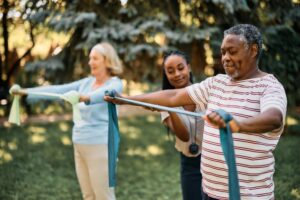
Have you started waking up stiff or felt like wobbling on a short walk? Plenty of people over 60 deal with that. Around this age, your muscles thin out, joints grind, and falls are quite common. This kind of situation messes with your freedom to get around on your own.
Stats say one in three older people takes a tumble each year due to shaky legs or bad footing. But you can dodge it. Smart, easy moves build power without hurting. Pills and food help some, but real fixes come from senior-style workouts that loosen you up, steady your feet, and get you chasing grandkids or tending the yard again.
Here are five top exercises that work, pulled from CDC and NIH tips. Consider tips like steady walks to the pool dip. They keep you going, kill aches, and make later years fun. Set to get moving? Jump in and grab back that zip, step by step.
Key Takeaways
- Gentle strength and balance work can reduce fall risks by up to 50% for seniors.
- Aim for 150 minutes of moderate activity weekly, cleared by a doctor.
- Start slow, track daily ease like stair-climbing, and stay consistent for lifelong gains.
What Are Healthy Aging Exercises?
Healthy aging exercises stick to easy, low-stress moves that work on strength, balance, flexibility, and a bit of heart-pumping action without wearing out older bodies. Meanwhile, they differ a lot from those hard gym routines young people chase.
Instead, you can consider alternatives like seated leg lifts or relaxed laps in a pool at 60. Nothing like heaving big weights around. For better results, take the best probiotic supplements to support your exercise.
Now, take sarcopenia: that’s the muscle thinning that kicks in after 50, hitting close to 50 million seniors everywhere and often leading to weakness or nasty falls. But regular, steady movement fights back against it. It packs on firmer muscle, toughens bones, and sharpens your body’s overall coordination.
There’s more to it, too. People over 60 must note that exercise ties right into that gut-brain connection we hear about. Around 70% of immune cells hang out in your gut, and staying active keeps the good bacteria thriving. So you catch fewer bugs and feel steadier in mood day to day.
When you break it down, these are the benefits you can observe:
- Walking pumps up stamina for the heart,
- Tai chi helps in the growth of quick reflexes, almost like a gentle dance in slow motion,
- Swimming takes all the pressure off sore joints for smooth power,
- Chair stands benefit you just like those everyday squats you do
- Grabbing grocery bags and resistance bands, firm up arms and back
All this draws straight from solid research at places like Harvard and Mayo Clinic, and the beauty is they slot into home spaces, nearby parks, or group classes without fuss.
The best part? Just aim for 20-30 minutes most days, and the payoffs stack up over time—fewer arthritis aches popping off, sound sleep through the night, and clearer thinking to push back foggy moments.
However, when you plan to do too many things, from diet to exercise, you lack the execution with vision. This may also come from the lack of fitness at the beginning or low digestive capabilities. So, to boost up your planning and execute that strictly, Gundry MD Bio Complete 3 supplement can help you initially.
Plenty of seniors swear they feel a full decade younger after sticking with it, which really shows that aging smoothly and strongly comes down to picking up and moving with purpose.
Our Top Recommendations
1. Walking
Walking stands as the simplest powerhouse for healthy aging, accessible to nearly everyone with shoes and a sidewalk. This rhythmic stride strengthens legs, pumps blood to organs, and releases endorphins that lift spirits amid daily stress.
Mayo Clinic ranks it number one because it burns 200-300 calories per 30 minutes while fortifying hips against fractures. Start on flat paths, building to brisk 3 mph paces with arm swings for full engagement. In neighborhoods or malls during the rain, it doubles as social time with neighbors.
Long-term walkers show 30-40% lower heart disease risk and sharper memory recall. Pair with podcasts for enjoyment—many seniors walk their way to 10,000 steps, transforming couch time into confident strides.
Pros & Cons
- Pros: Zero cost, mood boost, heart protector.
- Cons: Weather limits outdoor sessions.
2. Tai Chi
Tai chi’s flowing sequences, inspired by nature’s grace, make it a favorite among seniors for blending meditation with motion. Practitioners shift weight smoothly through poses like “wave hands like clouds,” engaging core and limbs without jarring impacts.
Harvard studies confirm it halves fall rates by honing proprioception—the body’s position sense. Classes or free YouTube videos suit beginners, with 10-15 minute sessions easing knee osteoarthritis and hypertension.
Breathing in sync with moves calms cortisol, reducing anxiety common in later years. Over time, devotees gain poise for dancing at weddings or gardening without pulls.
Pros & Cons
- Pros: Fall-proof balance, joint soother.
- Cons: Forms need weekly practice.
3. Swimming/Water Aerobics
Water work feels best for seniors with achy joints. Floating cuts your weight by 90%. So arms and legs move easily through the water or water walks. CDC likes low-impact exercises like swimming for whole-body fitness that builds staying power without hurt, great after hip surgery or with arthritis.
Warm pools relax tight muscles, improving range by 20-30% after sessions. Twice-weekly 30-minute dips slash inflammation and aid weight control, key for diabetes management. Community centers often host fun group classes, turning workouts into laughter-filled socials.
Pros & Cons
- Pros: Joint paradise, stamina builder.
- Cons: Pool access required.
4. Chair Stands
Chair stands replicate everyday actions like rising from a toilet or a car, targeting quads and glutes, which are crucial for stability. Sit tall, feet hip-width apart, then stand without hands. Ten reps build functional power fast.
Fall prevention programs from NIH highlight how this helps counter sarcopenia, with users gaining leg strength in weeks. Add ankle weights later for progression. Perfect for TV commercials or mornings, it empowers carrying laundry or chasing pets safely.
Pros & Cons
- Pros: Real-life strength, no equipment.
- Cons: Challenging if very frail.
5. Resistance Bands
Resistance bands are easy to carry and let you adjust the pull for arms or legs. Pull them for the back rows or push up for the shoulders. NIH says they help fight getting weaker with age—use light or medium ones.
Wrap around your feet for squats or a door for chest work. Just 15 minutes, three times a week, keeps arms strong for shelves. Cheap sets last long and pack small for trips. People say it straightens posture and eases back slouch.
Pros & Cons
- Pros: Cheap, versatile toning.
- Cons: Replace worn bands yearly.
Things to Consider
Before starting, snag doctor approval to sidestep risks like unchecked blood pressure spikes. Warm up with arm circles and marches for five minutes to prime blood flow, then cool down with deep breaths and stretches to dodge next-day soreness. Paragraph-wise, hydration is the best of all. Sip water before, during, and after to fuel cells and prevent dizziness.
Calcium-rich foods like yogurt pair perfectly, fortifying bones mid-routine. If sharp pain hits, pause; normal muscle fatigue fades with rest. Budget for supportive sneakers to cushion steps, and log sessions in a notebook for motivation. These habits ensure exercises enhance, not exhaust, your days.
Who Could Benefit From Healthy Aging Exercises?
Think of a retiree weeding the garden without aches or a grandma scooping up grandkids easily. These exercises help all kinds. People with arthritis get joint relief from water moves that loosen things up naturally. Those scared of falls build steady feet from tai chi’s gentle shifts. Tired ones perk up on walks that flood oxygen, leading to better sleep at night.
Folks losing bone mass toughen up with chair stands and bands to skip breaks. Brain warriors get a sharper memory since workouts kick up good chemicals afterward. After surgery, patients rebuild safely, and couch sitters shake off lazy habits. Anyone over 50 wins big, swapping “too old for that” to “watch me now.”
How to Choose Good Healthy Aging Exercises
Picking exercises feels like grabbing fresh veggies at the market. Go for ones that work, suit your days, and stay simple. Skip high jumps that bang up hips; stick to easy stuff instead. Trust lists from CDC or NIH, not quick trends.
Choose home moves that fit rainy Kolkata afternoons, no gym needed. Make sure they grow with you, like chair stands turning into free ones over time. Most importantly, pick what you enjoy. Hated workouts fade fast, but fun walks keep going. Try each of the top ones for a week to see what your body likes best.
Top Moves to Look For
- Heel-toe walks for tightrope steadiness.
- Leg raises stabilize the hips.
- Arm circles, freeing shoulders.
- Pelvic tilts work the core.
- Single-leg flamingo holds sharpening ankles.
When to Do Healthy Aging Exercises
Mornings ignite energy for chores; evenings melt tension before bed. Fragment into 10-minute snacks amid busy schedules, post-breakfast walk, mid-afternoon chair reps. Meal-pairing settles digestion, like aqua after lunch. Consistency beats perfection; tie to habits like coffee for autopilot wins.
Are Senior Exercises Safe?
Overwhelmingly yes for fit seniors, with mild huffing as the norm. Side soreness signals growth; stabbing alerts warrant doc calls. Vertigo or heart meds demand pre-checks. Proper form, grippy floors, and nearby chairs minimize mishaps. Hydrate hourly, wear stability shoes—90% issues vanish.
Frequently Asked Questions
1. What is the best beginner-friendly exercise to start with?
The best beginner pick is a simple 20-minute walk on flat terrain. It’s low-impact, easy to maintain, and helps build consistency.
2. What should be my weekly exercise goal for overall health?
Aim for at least 150 minutes of moderate-intensity activity per week. This can be split into 30-minute sessions, five times a week.
3. Can I exercise safely if I have arthritis?
Yes, you can exercise with arthritis. Start with water-based activities like swimming or aqua aerobics to reduce joint stress and improve mobility.
4. Is it safe to exercise alone, or should I join a group?
Exercising solo is safe, but joining a buddy or a fitness class adds fun, accountability, and motivation, making it easier to stay consistent.
5. How can I track my progress effectively without feeling overwhelmed?
Track progress by setting small daily tasks like step counts or short walks. Gradual goals make it easier to stay motivated and consistent.