
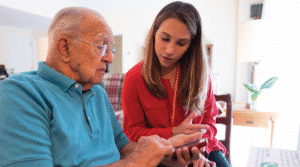
Have you ever noticed an older family member start to withdraw from conversations they once led without effort? Not because they don’t care, but because speaking has become harder, slower, or more tiring than it used to be. That shift often happens quietly, and by the time it’s noticed, habits have already changed.
After years around senior care settings, one pattern shows up again and again: when communication becomes difficult, connection tends to follow. Not all at once, but piece by piece. Speech and language care exists to slow that slide, not by fixing aging, but by helping people stay involved in their own lives.
When Communication Becomes the Barrier
Speech changes come with age, but that doesn’t make them easier to live with. Words take longer. Voices weaken. Each issue alone feels manageable. Together, they wear people down. Many seniors respond by pulling back. Fewer calls. Short replies. Quiet meals. It isn’t a lack of interest. It’s protection. When talking feels like work, silence feels safer. Speech and language care meets people there. Not to correct them, but to support everyday communication, so needs can be shared, stories told, and daily life stays connected.
The Path Toward Becoming a Speech and Language Professional
Speech and language professionals working with older adults do more than correct sounds or exercises. They assess how communication fits into a person’s routine, health, and environment. Therapy might involve adapting speech patterns, strengthening muscles used for swallowing, or finding alternative ways to communicate when words don’t come easily.
This work requires patience and training. Practitioners learn how neurological conditions, strokes, dementia, and general aging affect speech and comprehension. They also learn how to work with families and caregivers, who are often part of the communication loop.
For those interested in becoming a speech language pathologist, pursuing an advanced education in the respective field is the way to go, as it offers insight into the knowledge and clinical experience required. The role blends medical knowledge with human connection, especially in senior care, where progress is measured in comfort and participation, not just test scores.
Why Staying Connected Matters for Senior Health
Communication is tied closely to health outcomes. Seniors who can express pain, confusion, or discomfort clearly are more likely to receive timely care. Those who stay socially engaged tend to experience less depression and cognitive decline. These aren’t abstract benefits. They show up in daily well-being.
Speech and language care supports this connection. It helps seniors remain active participants in conversations about their health, their preferences, and their lives. That participation reinforces dignity, which often gets overlooked in clinical settings focused on efficiency.
Even small improvements can change routines. A clearer voice can mean more phone calls. Safer swallowing can mean shared meals again. These moments don’t make headlines, but they matter deeply.
Families and Caregivers as Part of the Process
Speech and language care rarely happens in isolation. Families and caregivers play a key role, especially for seniors living at home or in assisted living. Therapy often includes guidance on how to communicate more effectively, how to allow time without finishing sentences, and how to reduce frustration on both sides.
This shared approach helps prevent misunderstandings. It also eases emotional strain. When caregivers understand what’s happening and how to respond, interactions feel less tense and more natural. The goal isn’t to manage seniors, but to support them.
Over time, this can change household dynamics. Conversations slow down. Expectations adjust. Connection returns in new forms.
Addressing Swallowing and Safety
Speech and language care for seniors often includes swallowing support, which is sometimes surprising to families. Swallowing difficulties can lead to choking, aspiration, and nutrition problems. They also affect the enjoyment of food, which is a major part of social life.
Therapists assess swallowing safety and recommend strategies or exercises. Sometimes that means posture changes. Sometimes texture adjustments. The goal is safety without unnecessary restriction. Meals don’t need to become clinical events.
When eating feels safer, social meals tend to return. That alone can reduce isolation, especially in community or care facility settings.
Technology and Access to Care
Technology has expanded access to care services, especially for seniors with mobility challenges. Teletherapy allows sessions to happen at home, reducing transportation barriers. Simple tools, like tablets or communication boards, can also support expression when speech is limited.
That said, technology works best when introduced carefully. Seniors vary widely in comfort with digital tools. Speech professionals often adapt methods to fit individual preferences rather than forcing solutions. The aim is support, not complicate.
Cultural and Emotional Considerations
Speech and language care also accounts for culture and personal history. Language patterns, accents, and expressions carry identity. Effective care respects that. Therapy doesn’t erase who someone is. It works with it.
Emotionally, losing speech ability can feel like losing oneself. Good care acknowledges that loss without rushing past it. Progress is allowed to be uneven. Some days are better than others. That’s normal.
This understanding helps seniors feel seen, not corrected.
The Broader Impact on Senior Communities
In senior living communities, speech and language care often reaches beyond individual therapy. Group sessions create space for conversation without pressure. Staff learn how to slow down exchanges and listen differently. Small adjustments make common areas feel more welcoming. When communication is supported, residents tend to show up more. Activities feel easier to join. Interactions become warmer and less rushed. Over time, the community feels more connected. These shifts aren’t sudden. They build slowly, through routine care, shared habits, and steady attention to how people are included day after day.
Why Speech and Language Care Deserves Attention
Speech and language care isn’t about restoring youth. It’s about maintaining a connection. For seniors, staying connected means staying involved, informed, and respected.
As populations age, the need for this care grows. Families, caregivers, and communities benefit when communication is treated as a health priority, not an afterthought. Helping seniors stay connected doesn’t require dramatic solutions. It requires understanding, patience, and skilled support that meets people where they are. Speech and language care does exactly that, quietly strengthening the ties that matter most.