
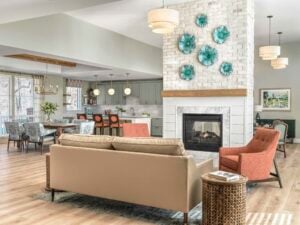
The architecture of specialized healthcare facilities has evolved to prioritize the unique needs of individuals experiencing cognitive decline. Modern research indicates that the built environment plays a significant role in managing symptoms and improving the overall quality of life for residents.
Strategic layouts focus on creating a sense of familiarity and comfort while reducing the confusion often associated with clinical settings. By incorporating residential design elements, facilities can lower stress levels and help individuals feel more at ease within their daily living environment.
Thoughtful spatial planning creates a strong foundation for long-term safety and well-being within these facilities. Architects and healthcare professionals often collaborate to design environments that support both independence and supervision for residents. Understanding the design principles behind a modern memory care center helps ensure that individuals living with cognitive decline receive the comfort, structure, and support they need in their daily lives.
Utilizing Color and Contrast for Navigation
Navigating a large facility can be a significant challenge for those with memory impairment who struggle to identify landmarks. The use of high contrast colors on doors and floors helps individuals distinguish between different areas and reduces the likelihood of becoming lost or confused.
Visual cues such as distinct artwork or unique furniture arrangements serve as important wayfinding tools that promote independence and confidence. When residents can successfully find their own rooms or common spaces, their anxiety levels decrease and their sense of personal autonomy is greatly enhanced.
Careful consideration of the visual environment prevents the frustration that often leads to agitation or withdrawal from social activities. By utilizing color science, designers can create a predictable path that supports daily function. This intentional approach is a vital component of professional and compassionate care.
The Impact of Controlled Sensory Inputs
Sensory processing often becomes more sensitive as cognitive function changes, making the management of environmental inputs a top priority for caregivers. Excessive noise from alarms or equipment can trigger distress and overwhelm the nervous system, leading to a breakdown in communication and comfort.
Utilizing acoustic materials and sound dampening technology creates a much quieter and more tranquil atmosphere that encourages rest and relaxation. Similarly, lighting levels must be carefully regulated to follow natural circadian rhythms and prevent the confusion often caused by harsh artificial glares.
Controlling these variables allows residents to stay focused on their daily routines without the constant threat of overstimulation or exhaustion. A calm environment supports neurological stability and improves the effectiveness of therapeutic interventions. Precision in sensory design is a hallmark of high quality specialized care.
Safety Features That Maintain Dignity
Maintaining the safety of residents requires a sophisticated integration of security features that do not compromise personal dignity or freedom. Traditional methods of restriction can lead to feelings of confinement and depression, which negatively impact the long term health and well being of the individual.
Modern facilities utilize subtle measures like delayed egress hardware and camouflaged exits to prevent wandering while maintaining an open feel. These features allow residents to move freely within a protected area, encouraging physical activity and a sense of exploration without risk.
Balancing these needs involves a deep respect for the autonomy of the person and a commitment to providing a secure environment. By creating a layout that prioritizes both protection and dignity, designers ensure that residents feel respected. Safety is achieved through smart and unobtrusive design.
Creating Meaningful Social Interaction Zones
Social isolation is a significant risk factor for individuals with cognitive decline, often leading to a faster progression of symptoms and lower quality of life. Common areas must be structured to encourage natural interactions and facilitate meaningful engagement between residents, families, and staff members.
Smaller seating clusters and intimate dining spaces create a more comfortable environment for conversation and social bonding. These zones prevent the overwhelming feeling of large crowds while still providing opportunities for connection. Meaningful interaction is a vital part of a comprehensive and effective treatment plan.
Encouraging a sense of community helps residents maintain their social skills and improves their emotional resilience during the aging process. By designing for engagement, facilities can improve the daily experiences of every person. Fostering these connections is a primary goal of any modern and successful facility.
Advancing Care Standards Through Innovation
The integration of evidence based design principles represents a significant advancement in the standards of care for neurological support. As our understanding of the brain continues to evolve, the physical layout of healthcare facilities must adapt to meet the changing needs of the population.
Innovative features such as indoor garden paths and multi sensory rooms provide residents with diverse opportunities for stimulation and peace. These environments are recognized as critical components of a holistic approach to wellness. Investing in quality design is an investment in the health of the community.
Reclaiming stability for families involves a focused and thorough approach to the management of the living space. A successful layout provides the closure needed for the future. Ultimately the physical design of a memory care center is a vital component of a treatment plan.