
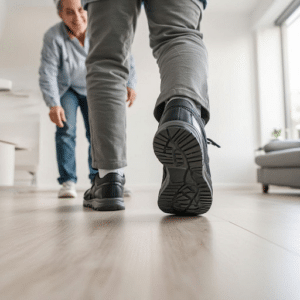
Nearly one in three adults over 65 experiences a fall each year, and many require medical care. These incidents often lead to setbacks that affect mobility, confidence, and independence. Many falls are linked to preventable factors, including the shoes and insoles worn every day.
Footwear directly affects balance, posture, and joint protection. As feet age, they change in shape, strength, and sensitivity. Supportive shoes and properly fitted insoles can lower risk while improving comfort.
Why Safe Footwear And Insoles For Elder Care Matter
Falls rarely happen for one reason. They often involve reduced muscle strength, slower reactions, vision changes, and unstable footwear with poor traction. Even small obstacles can become dangerous without reliable support.
Older adults may experience overpronation, supination, plantar fasciitis, arthritis, diabetic foot sensitivity, or arch collapse. Each condition shifts weight differently and can affect stability. Shoes with firm heel counters, slip resistant soles, and stable midsoles provide a safer base for daily movement.
Step 1 Proper Sizing And Fit
Proper fit is essential for safety. Feet often widen with age, arches may lower, and toes can shift due to bunions or hammertoes. Wearing the wrong size is common.
Measure both feet while standing. Leave about a thumb’s width between the longest toe and the shoe tip, with a snug heel that does not slip. Shoes should not pinch or slide during walking.
Try shoes on later in the day when mild swelling is present. This offers a realistic sense of comfort. A well fitted shoe improves balance and reduces trip risk.
Step 2 Stability Features That Reduce Fall Risk
Certain features consistently improve balance. Structured shoes are safer than slippers or socks on smooth floors. Stability should feel secure without restricting movement.
Look for shoes with:
- Firm heel counters for rear foot control
- Slip resistant outsoles with visible tread
- Low wide heels to promote even balance
Shoes should bend at the ball of the foot but remain steady through the midfoot. If a shoe twists easily, it likely lacks support. Stable construction helps compensate for weaker muscles and slower reflexes.
Step 3 Addressing Common Foot Conditions With The Right Support
Different foot concerns require different support. Overpronation involves inward rolling that can strain knees and hips. Supination involves outward rolling, reducing shock absorption and ankle stability.
Arthritis often benefits from cushioning combined with structure. Plantar fasciitis responds well to arch support that eases heel strain. People with diabetes may need seamless interiors and even pressure distribution to protect sensitive skin.
When alignment issues persist, targeted orthotics may help. Individuals dealing with chronic outward rolling may explore custom orthotics for supination correction to improve alignment and redistribute pressure. The goal is to match support to the specific condition rather than rely on generic padding.
Step 4 Being Careful With Generic Insoles
Not all insoles provide meaningful stability. Many over the counter inserts focus on soft cushioning without structural reinforcement. Cushioning alone does not always improve alignment.
Overly thick inserts can crowd the shoe and reduce balance. Insoles should lie flat, fit securely, and remain stable during walking. Shifting inside the shoe compromises support.
New discomfort in the knees, hips, or back after adding inserts may signal poor alignment. Check for uneven compression, since worn inserts lose effectiveness.
Step 5 Knowing When To Replace Shoes
Shoes lose support gradually, even if they look intact. Midsoles compress, heel counters soften, and tread wears smooth. These changes reduce grip and stability.
Place shoes on a flat surface to check for tilting. Compare soles for uneven wear that may reflect pronation or supination. Many older adults replace walking shoes every six to twelve months, depending on use.
Routine inspection helps prevent small issues from becoming larger risks. Consistent reassessment supports safer movement.
Promoting Independence With Safe Footwear And Insoles For Elder Care
Safe footwear and insoles for elder care support mobility and independence. Focusing on proper fit, stable construction, and condition specific support for overpronation, supination, arthritis, plantar fasciitis, and diabetic foot concerns can reduce fall risk. Small adjustments today can prevent serious setbacks.
If you are unsure about current shoe support, consult a qualified professional. A thoughtful evaluation helps older adults stay active and steady. Visit our contact page for guidance.