
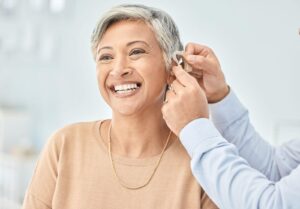
Hearing aids are almost seen as a taboo subject amongst some people, but there’s absolutely no reason for this. You can feel embarrassed about needing a hearing aid, even though it’s one of the most common ways to treat hearing loss. So, first of all, don’t be embarrassed at all. Secondly, avoid listening to all of the myths and misinformation surrounding this topic – you’ll find some of the most popular myths debunked below.
Hearing Aids Are Massive And Unsightly
You’re probably going to see this myth thrown about a lot, as it is the most common one out there. When hearing aids were first mass-produced, they were pretty big and noticeable. This is still what people think about when they talk about getting hearing aids – but the reality is that technology has advanced quite a bit.
You’ll notice this when getting ready for a hearing aid fitting, as your audiologist will provide a host of options to suit your needs. This includes behind-the-ear and in-ear hearing aids that are virtually invisible to the naked eye. You can very much enjoy the benefits of hearing aids without it looking like you’re wearing them. So, if that’s something you’re anxious about, it no longer needs to be a problem.
You Only Need Hearing Aids If You’re Deaf
Not true, and also likely one of the reasons that so many elderly people have terrible hearing. You shouldn’t seek hearing solutions when you’re deaf and can’t hear anything. Hearing aids work best when your hearing is just starting to decline. You may only need a device in one ear – and using them early on can delay your natural hearing loss.
That’s why it’s important to have regular hearing tests when you’re 50 or older to check the state of your hearing. If you catch any problems early, then you can use a hearing aid to mitigate your hearing loss and delay some of the adverse effects.
Hearing Aids Are Too Difficult To Use
Once again, this stems from a warped view of hearing aids dating back to the first iterations of this technology. Back in the day you had to tune hearing aids and fiddle with loads of manual settings to get them to work properly based on the setting.
That’s not the case anymore. Modern hearing aid technology lets you do all of this automatically. Your audiologist sets things up when you get them fitted, and then it’s a case of clicking a button or choosing settings via an app. They’re easier to use than ever before, so the tech-savviness is nothing to worry about. If anything, they’re designed to be easy for elderly people to use anyway.
In a nutshell, most people believe that hearing aids are really big, they’re only needed if you’re already borderline deaf, and you’ll find them tricky to use. None of these myths are true; hearing aids can be discreet, suitable for people with mild hearing loss, and easy to set up and use every day. Don’t believe the myths as they could prevent you from using a meaningful health tool.